
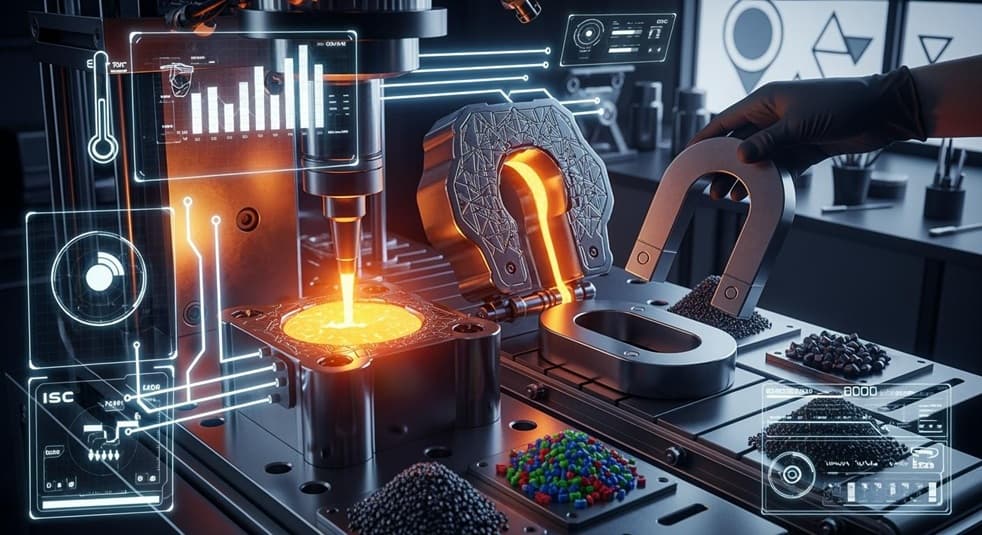
You make injection molded magnets by mixing magnetic powder with a polymer binder. Most companies use a mix from 85:15 to 95:5 by weight. This mix gives strong magnet power and good strength. You get the materials ready, mix them, and put them in molds. You can make magnets in many shapes and sizes. You get a product that fits special needs and has exact properties.
Typical composition ratios:
85:15 magnetic powder to polymer binder
95:5 magnetic powder to polymer binder
Injection molded magnets are special because of how they are made. You mix magnetic powder with a thermoplastic resin. Then you put the mixture into a mold to shape it. This way, you can make magnets with tricky shapes and exact sizes. These magnets are different from other types. Look at the table below to see the differences:
|
Feature |
Injection Molded Magnets |
Other Types of Magnets |
|---|---|---|
|
Manufacturing Process |
Mixed thermoplastic resin with magnetic powders |
Varies (e.g., sintering, bonding) |
|
Shape Complexity |
High precision, complex shapes possible |
Limited shape options |
|
Polymer Binder Content |
Higher content for better corrosion resistance |
Varies, often lower |
|
Surface Coating Requirement |
Generally not needed |
Often required for protection |
|
Mechanical Strength |
High |
Varies |
Injection molded magnets have many good physical and magnetic features:
They can be made with very exact sizes, even up to 0.01mm.
They are strong and do not break or twist easily.
They last longer in tough places because they resist chemicals.
You can pick neodymium or hard ferrite materials.
Neodymium magnets do not need extra coatings since they protect themselves.
You can make any shape and choose how the magnet works, like isotropic injection molded neodymium magnets.
These magnets work well, are light, and look smooth.
Tip: You can use injection molded magnets when you need to make a lot of parts. You can also put them right onto other pieces.
Many industries use high temperature resistant injection molded magnets because they are flexible and dependable. Here are some ways they are used:
|
Industry/Application |
Description |
|---|---|
|
Magnetic Sensors |
Used for detecting magnetic fields in various devices. |
|
Magnetic Brakes |
Employed in systems requiring controlled braking mechanisms. |
|
High Volume Production |
Ideal for creating numerous identical components quickly and efficiently. |
You will see these magnets in tiny motors, machines that work by themselves, and electronic gadgets. They work well and can be made in many shapes, so they are great for new technology. You can trust them to stay strong during earthquakes and to work the same way every time, even in tough places.
You must pick the right magnetic powder. The powder you choose affects how strong your magnet is. It also changes how the magnet works in different places. Here are the main powders you can use:
Ferrite
NdFeB (Neodymium Iron Boron)
SmCo (Samarium Cobalt)
Each powder is good for different things. Ferrite is cheap and works for simple jobs. NdFeB makes very strong magnets for tough tasks. SmCo is best when you need magnets that work in high heat.
How much magnetic powder you use matters. If you use less powder, the magnet is not as strong but it is tougher. If you use more powder, the magnet does not get much stronger and can break more easily.
You mix the magnetic powder with a polymer binder. The binder keeps everything together. It helps you shape the magnet and makes it last longer. Solid epoxy resin is used a lot because it is easy to mold. But epoxy does not work well in high heat or with chemicals. Polyamide 12 (PA12) lets you add more powder, so the magnet works better. Polyphenylene sulfide is good for hot places, but you cannot add much powder. Polyether Ether Ketone is great for very high heat and meets tough aerospace rules.
Additives help with mixing and molding. First, you blend the powder and binder to get the right flow. This careful mixing helps you make magnets with the shape and strength you want.
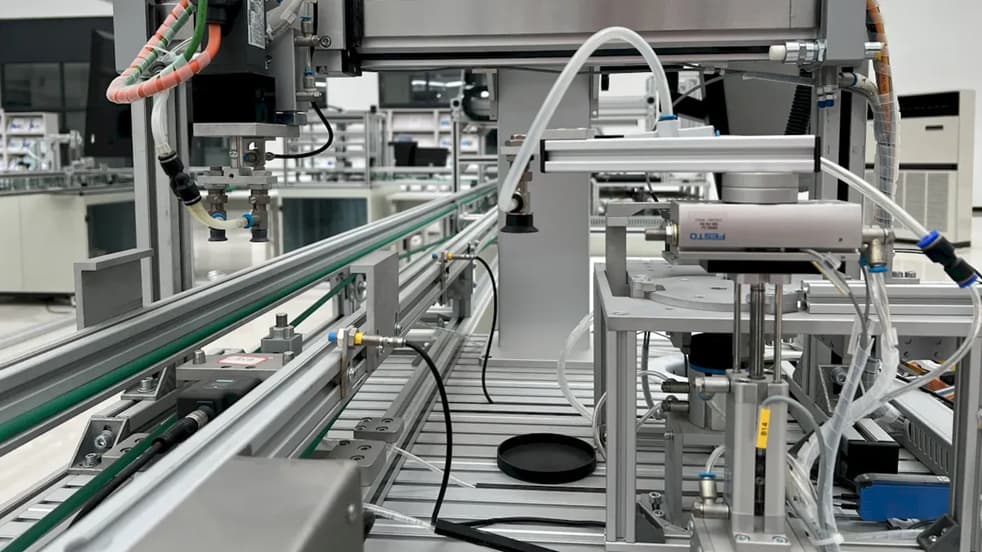
Making injection molded magnets has many steps. You must follow each step closely. This helps the magnets have the right shape and strength. It also makes sure they work well. This process lets you make lots of magnets at once. You can also make magnets with tricky shapes.
First, you mix magnetic powder with a thermoplastic binder. Mixing is important because it makes the blend even. If you do not mix well, the magnets will not work right. Special machines help with mixing. Here is a table with common machines:
|
Equipment Type |
Description |
|---|---|
|
Internal mixers |
Used for thorough mixing of materials |
|
Dual planetary mixers |
Provides efficient mixing and kneading |
|
Dual eccentric wheel mixers |
Offers unique mixing capabilities |
|
Single screw extruders |
Commonly used for material extrusion |
|
Z-type gear mixers |
Ensures uniform mixing of components |
After mixing, you break the blend into small pieces. These pieces are called granules. Granules move easily into the mold.
Tip: Good mixing and granulation stop weak spots from forming in your magnets.
Mold design decides the magnet’s shape and how it works. You need to focus on this step. Here are some things to remember:
Careful cutting of mold spaces helps you get exact sizes.
Good mold design spreads the material evenly. This makes magnets stronger and lowers defects.
You can set the magnet’s direction during or after molding.
A smart mold design lets you make magnets with special shapes and sizes. You can also make sure every magnet fits your needs.
Next, you heat the granules until they melt. Then you push the melted mix into the mold. The mold gives the magnet its final look. You can use two molds for harder designs or extra features.
Temperature and pressure are very important here. Here are some key points:
More pressure helps fill thin or long molds faster. It also cools the magnets quicker.
The polymer melt must stay hot enough. This helps make thin parts.
Rapid Temperature Cycling (RTC) can heat the mold fast. Sometimes it heats up by 200 °C in seconds. This makes the process quicker.
You can make many magnets at the same time. This is good for making lots of magnets.
After molding, you cool the magnets down. Cooling keeps their shape and strength. You must watch the temperature to stop problems. Here is a table with things to manage:
|
Aspect |
Description |
|---|---|
|
Temperature Control |
Strict control of barrel and mold temperatures to prevent defects. |
|
Mold Design Optimization |
Ensuring uniform and effective cooling systems to avoid temperature gradients during cooling. |
|
Injection Process Control |
Controlling parameters like pressure, speed, and time to ensure even cooling and reduce internal stress. |
When the magnets are cool, you take them out of the mold. This is called demolding. If you do this too early or late, the magnets might crack or bend.
You want every magnet to be good. Quality checks help you find problems early. Here is a table with main checks:
|
Quality Control Measure |
Description |
|---|---|
|
Material Testing |
Tests the composite material for magnetic properties, flow characteristics, and thermal stability. |
|
Dimensional Inspection |
Inspects finished magnets for dimensional accuracy, including size, shape, and surface finish. |
|
Magnetic Performance Testing |
Assesses the magnet's strength and properties, including magnetic field strength and coercivity. |
|
Endurance Testing |
Conducts tests to evaluate long-term performance under simulated operating conditions. |
You may face some problems while making magnets. High costs, strict rules, and supply issues can slow you down. Some places do not know much about injection molded magnets. This can make starting hard.
Note: Making injection molded magnets can affect the environment. You should think about energy use, safe materials, and recycling. Many companies now use green methods to help the planet.
Every step in making magnets is important. Careful planning helps you make strong magnets for many jobs.
You can make custom complex shape injection molded permanent magnets. This helps you match the magnet to your product’s needs. You might want a ring or a tricky 3D shape. Both are possible with this method. The table below lists some ways to customize magnets:
|
Customization Method |
Description |
|---|---|
|
Insert Molding |
The magnet goes in the mold. Plastic flows around it. |
|
Over-Molding |
The magnet is covered in plastic. This is good for tough places or medical use. |
|
Ultrasonic Welding |
Two pieces with magnets join together. They fuse using fast vibration. |
|
Snap On |
Two plastic parts snap together. This holds the magnet in place. |
|
Screw/Bolt |
The magnet has a spot for screws. You can secure it easily. |
|
Melt Rivet |
A plastic stud melts into a hole in the magnet. |
You can ask for any shape or size you want. If you do not have a drawing, the maker can help you design one. They can also give you samples to test. This freedom lets you make products that work better and look nicer.
Tip: Custom injection molded magnets let you mix features in one part. This makes designing easier.
You can make lots of custom high tolerance injection molded magnets at once. The process works for small or big orders. Every magnet looks and works the same. This helps your devices work better. You save time and money because the process is quick and uses less material. Many companies pick this way when they need many strong magnets.
You can add special materials to make magnets work better. For example, mixing 65% isotropic NdFeB powder with 35% polyamide (Nylon-12) makes strong magnets. These extras help you get the right mix of strength and flexibility. You can also make magnets that handle heat or tough places. Additives and smart mold design help you make magnets for special jobs, like medical tools or electric motors. This helps you get the best results for your needs.
Injection molded magnets can be made very exact. You can create shapes with lots of detail. These magnets fit into devices without problems. The process repeats the same shape every time. This means you do not get mistakes. Check the table to see how these magnets compare to older ways:
|
Feature |
Injection Molded Magnets |
Traditional Methods |
|---|---|---|
|
Design Flexibility |
High |
Limited |
|
Precision |
High |
Variable |
|
Magnetic Strength |
Moderate |
High |
|
Temperature Stability |
Moderate |
High |
Tip: You can make special shapes for electronics and medical tools.
Using injection molded magnets helps you spend less money. Making them uses less energy. There is not much waste. You can use recycled stuff in the binder. This helps the planet. Here are some reasons why this way saves money:
Uses less energy
Makes less waste
Can use recycled materials
Mixes magnet and plastic molding together
See the table to compare with other magnets:
|
Advantage |
Injection Molded Magnets |
Sintered Magnets |
Bonded Magnets |
|---|---|---|---|
|
Cost-Effectiveness |
Yes |
No |
Yes |
|
Design Complexity |
High |
Low |
Medium |
|
Energy Efficiency |
High |
Low |
Medium |
|
Environmental Impact |
Low |
High |
Medium |
Note: You can mold magnets onto other parts. This saves time and makes building easier.
Injection molded magnets work in many places. You can pick from lots of materials. Some choices are ferrite, neodymium, and samarium cobalt. You can also choose polymers like nylon or PPS. This helps you match the magnet to your job. Here are some ways people use these magnets:
Cars: Sensors, motors, and actuators
Electronics: Speakers, sensors, and tiny motors
Medical: MRI machines and surgery tools
Factories: Magnetic pumps and couplings
Planes: Navigation and control systems
You can make magnets that are light and strong. They do not rust and work in hard places. This makes it easy to find the right magnet for your project.
You make injection molded magnets by mixing magnetic powder and a polymer binder. Then you put the mix into molds to shape them. After that, you cool the magnets so they become strong. This way, you can make magnets in many shapes and sizes.
These magnets do not rust easily and are always the same.
You spend less money because there is little waste and the process is quick.
You can design magnets for special uses, even if you need exact sizes.
If you want magnets that are both exact and flexible, this method is a good choice.

 English